One Region. Many Voices.
One Future.
2.1 billion people. Ancient civilisations. The world's largest demographic dividend. SAEDN fosters collaboration among people, institutions, and ideas — building the South Asia that governments alone cannot.
Latest in South Asian geopolitics.
Auto-refreshing geopolitics coverage across the region, sourced from Google News.
South Asia is not an issue to be fixed.
It is a potential waiting to be tapped.
A region where 2.1 billion individuals are not constrained by governmental conflicts. Where intra-regional trade reaches not 5% but 50%. Where a student in Kathmandu can collaborate seamlessly with a researcher in Colombo. Where a small enterprise in Dhaka can access the market in Delhi without bureaucratic hurdles.
- 01
Dialogue over stagnation
When governments fail to communicate, people must take the initiative. Trust is not automatic — it is developed intentionally, one discussion at a time.
- 02
Evidence over ideology
Policies should be informed by data, not historical resentments. Research must be impartial, thorough, and focused on practical outcomes.
- 03
Youth as builders, not heirs
South Asia's demographic dividend is the world's greatest untapped opportunity. We don't offer young people a seat at the table — we invite them to build the table itself.
- 04
Integration, earned not imposed
Lasting cooperation grows through trust, patience, and shared effort. Progress may be gradual, but it should always move forward.
A non-state platform for a region of civilisational depth.
The South Asian Economic and Diplomatic Network is a multi-stakeholder platform committed to strengthening economic cooperation, evidence-based policy dialogue, youth leadership, and cultural diplomacy across South Asia.
We work where formal institutions often face limitations — connecting people across borders, rising above bilateral tensions, and creating spaces for collaboration independent of state-level constraints. Guided by patience, consensus, and steady progress, SAEDN strengthens the foundations of cooperation one relationship, one research paper, one dialogue at a time.

Four pillars. One coherent strategy for the region.
SAEDN’s member states are linked through a shared architecture of cooperation. Sustainable governance protects the rivers, forests, and climate systems every country shares. Trade and economic integration turn shared resources into shared prosperity. Track II diplomacy opens informal channels when formal ties freeze. Cultural diplomacy restores the people-to-people trust that makes every other pillar possible. Together, these four pillars form a single, reinforcing ecosystem for South Asia.
Explore all areas
Sustainable Governance
Climate adaptation, transboundary environmental governance, clean energy transition, and critical mineral cooperation for a resilient South Asia.
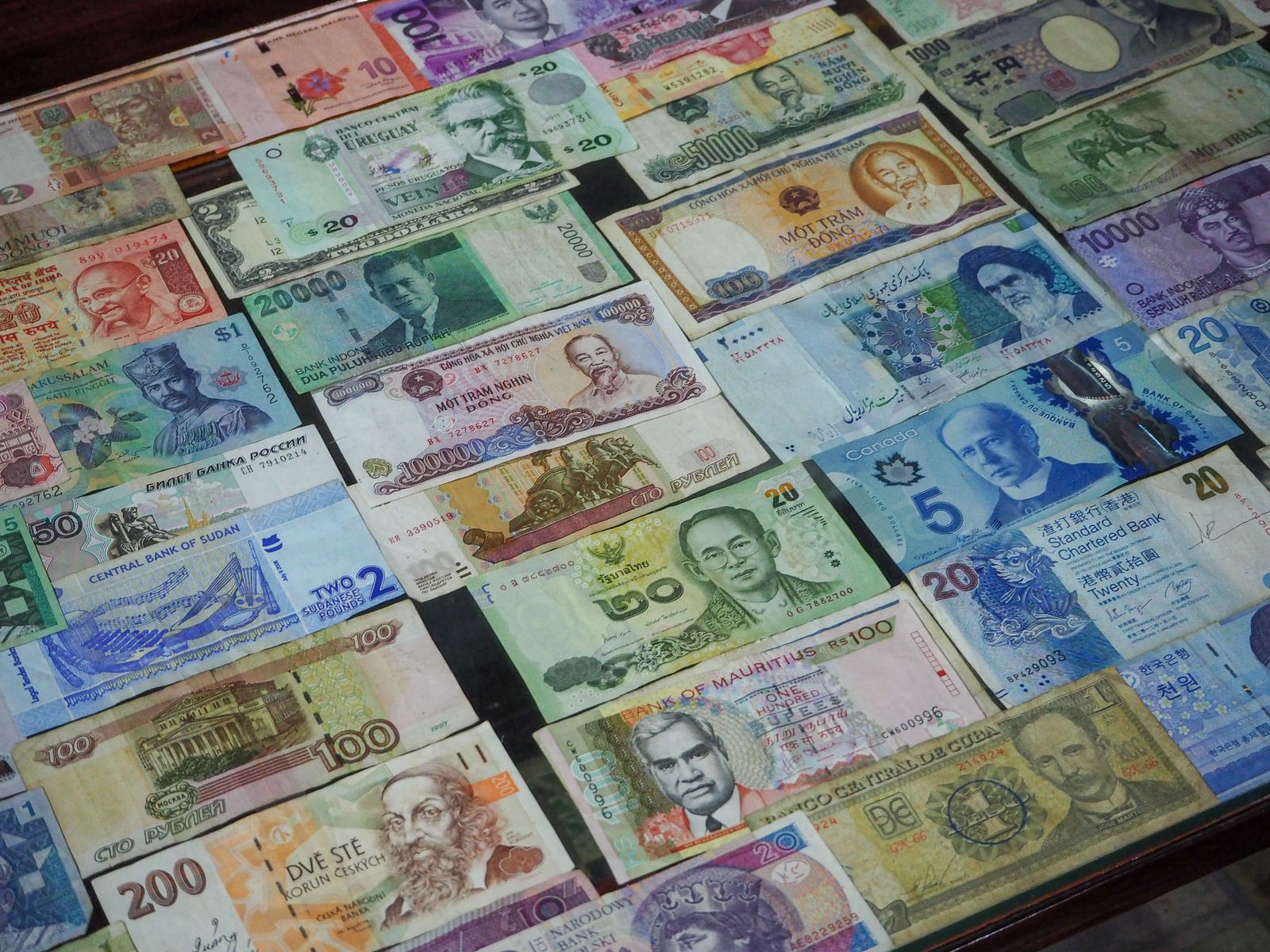
Trade & Economy
Cross-border investment, green trade, blue economy, digital inclusion, and regional employment frameworks that work for businesses of every size.


A shared civilisation, centuries in the making.
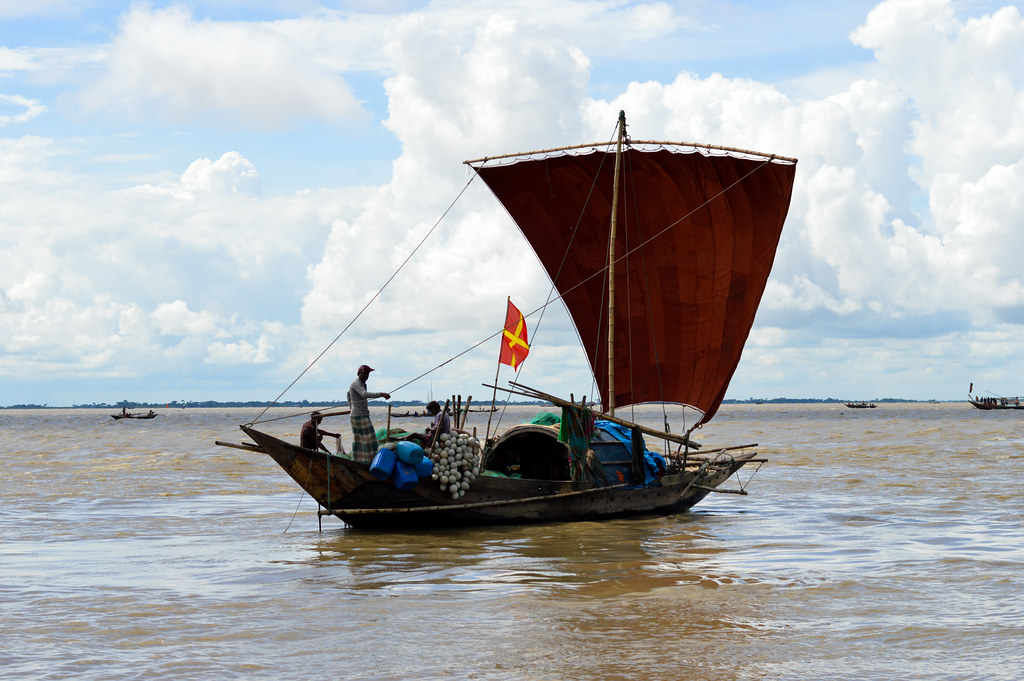
From the prayer flags of Bhutan's Tiger's Nest to the country boats that glide across Bangladesh's rivers, from the sacred ghats of Pashupatinath to the coral atolls of the Maldives — South Asia is more than a geographic region. It is a shared civilisation shaped by centuries of exchange, faith, culture, and human connection.
Meet the Member States


Join us in building the region.
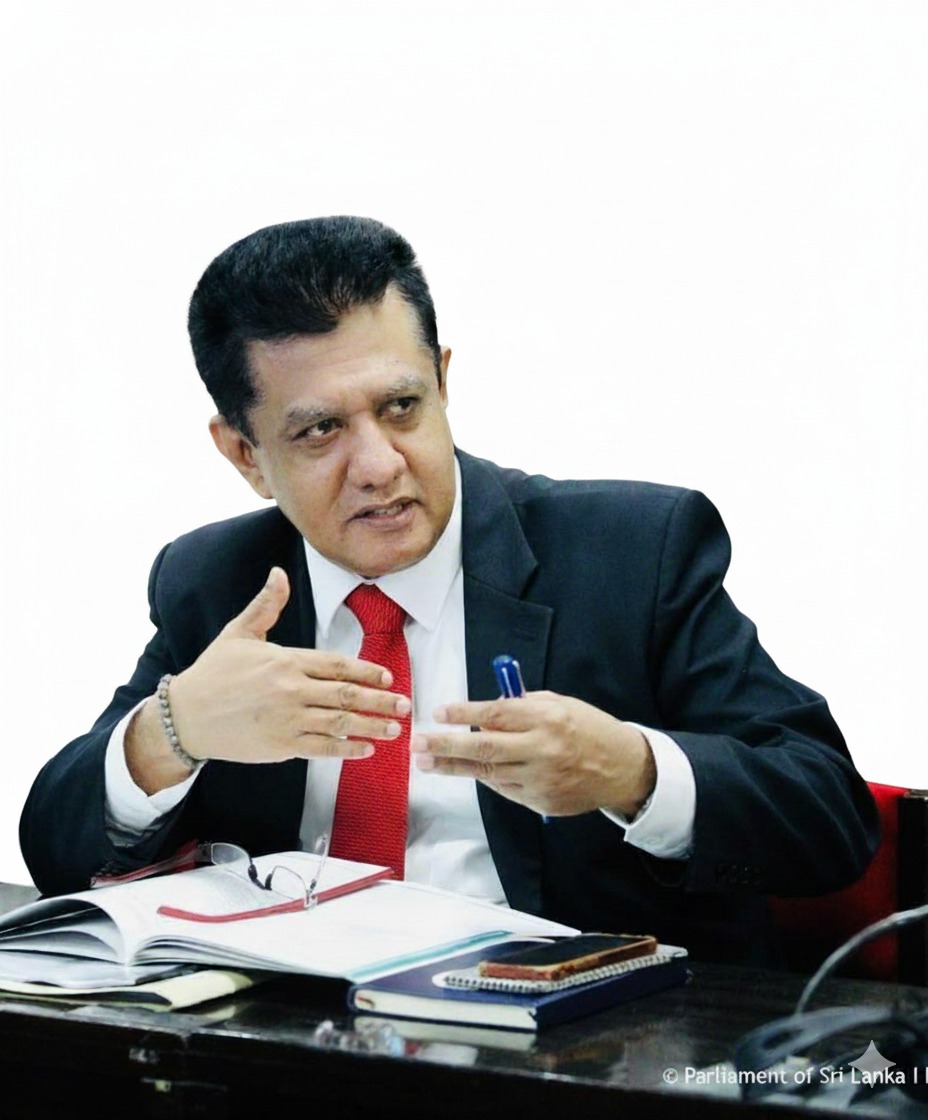
Professor Charitha Herath
Convener of SAEDN · Founder & Chairman, Nexus Research Group · Former Member, 9th Parliament of Sri Lanka
Professor Herath is an academic and public policy specialist with distinguished experience in higher education, public administration, media policy, and democratic institutions. He began his academic career at the University of Peradeniya in 1995 and went on to serve as Professor and Head of the Department of Philosophy, with postgraduate training at Ohio University, Sichuan Union University, and the University of Kelaniya.
Beyond academia he has held senior public leadership positions including Permanent Secretary to the Ministry of Mass Media and Information, Chairman of the Central Environmental Authority, and Member of Parliament. A widely published author, he writes on governance, democracy, ethnic relations, media policy, and public affairs.
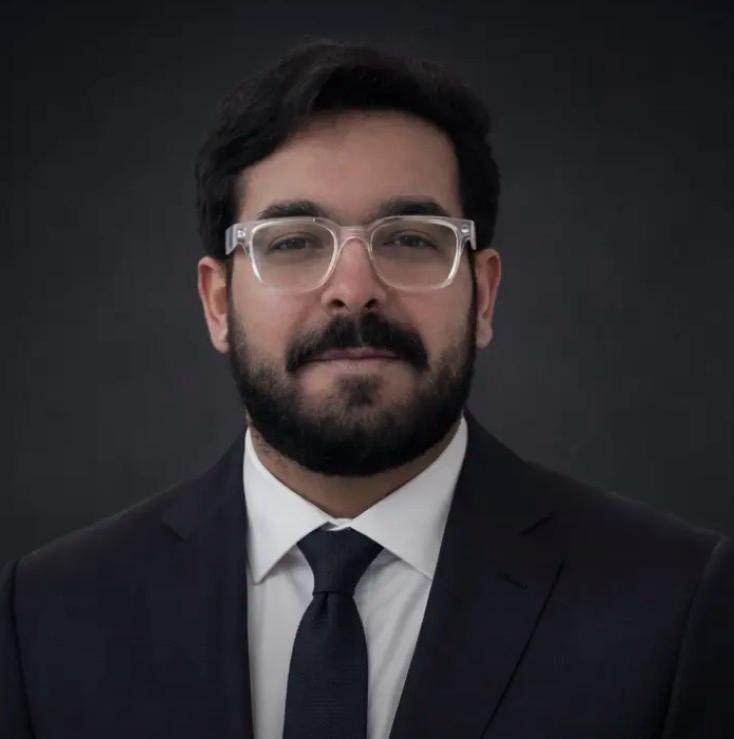
Parth Raman
Co-Convenor of SAEDN · Public Policy Strategist · Legal Counsel · Advisor, CPRA
Parth Raman is a public policy strategist, legal counsel, and the Founder and Co-Convenor of the South Asian Economic and Diplomatic Network (SAEDN). Concurrently serving as the Advisor of the Council for Policy Research & Analysis (CPRA), he operates at the intersection of international law, institutional reform, and regional economic integration across South Asia.
A qualified advocate, Parth holds a B.A. LL.B. (International Law Honors). He completed his postgraduate education in Europe, earning a Master's degree from the University of Wrocław in International Relations specialising in South Asia and a Master's degree from the University of Padova in Human Rights and Public Policy. His academic and legal research utilizes a Realist Institutionalist lens to design enforceable governance structures and sustainable integration mechanisms for asymmetrical regions.
As an independent consultant, Parth provides strategic advisory services to international organizations, multilateral institutions, corporates and government bodies on regional connectivity, trade insulation, and policy design. He has a proven track record in legislative affairs, having previously served as a trusted policy advisor to Members of Parliaments in both the Lok Sabha and Rajya Sabha, delivering data-driven insights on complex geopolitical and legislative mandates.
An active voice in high level policy discourse, Parth has authored numerous analytical editorials, research papers, and books on geopolitics, public policy and social inclusion. His commentary focuses on establishing rules-based frameworks to overcome traditional functionalist barriers and revitalize South Asian regional cooperation.